

Nextek Newsroom
The latest in
circular innovation.
Discover the latest news, research and project updates from Nextek — advancing plastics recycling, material science and the circular economy.
Introducing NextNEWS
Be the first
to know.
Nextek news. Research. Recycling innovation. A shortcut away.
Keep up with the latest from Nextek through NextNEWS. Access our newsroom from your phone and add the app to your home screen for quick access whenever you need it.
Open NextNEWSNo app-store download required.
Your newsroom, on your home screen.
Android — add to your home screen
Open media.nextek.org in Chrome. Tap the three-dot menu and choose Install app or Add to Home screen. Follow the instructions shown.
iPhone — add to your home screen
Open media.nextek.org in Safari. Tap Share, then Add to Home Screen and Add.
Prefer to use your browser?
Visit media.nextek.org on your phone, tablet or computer. You can read the newsroom without installing the app.
If the app offers new-article alerts, enable them in NextNEWS and allow notifications when prompted.
Award-winning circular innovation
Recognised for innovation.
Driven by practical results.
Nextek’s Alliance Prize and IOM3 Prince Philip Award recognise our contribution to polymer recycling and circular innovation. Behind that recognition is a commitment to scientific research, collaboration and solving real material challenges.
Bring your next challenge to

Nextek in the media
Recent media coverage
Perspectives on plastics recycling, flexible packaging and the technologies shaping circular innovation.
Plastics News Coverage
COtooCLEAN Demonstration Plant for Flexible Film Recycling
Coverage of Nextek’s collaboration with Coveris in Louth, exploring how supercritical CO₂ technology can support the decontamination of post-consumer PE and PP films for food-grade recycling applications.
Packaging Europe Comment
What’s Next for Flexible Plastic Recycling?
A look at emerging recycling technologies and the role of decontamination, testing and process validation in developing circular solutions for flexible plastic packaging.
Latest news.
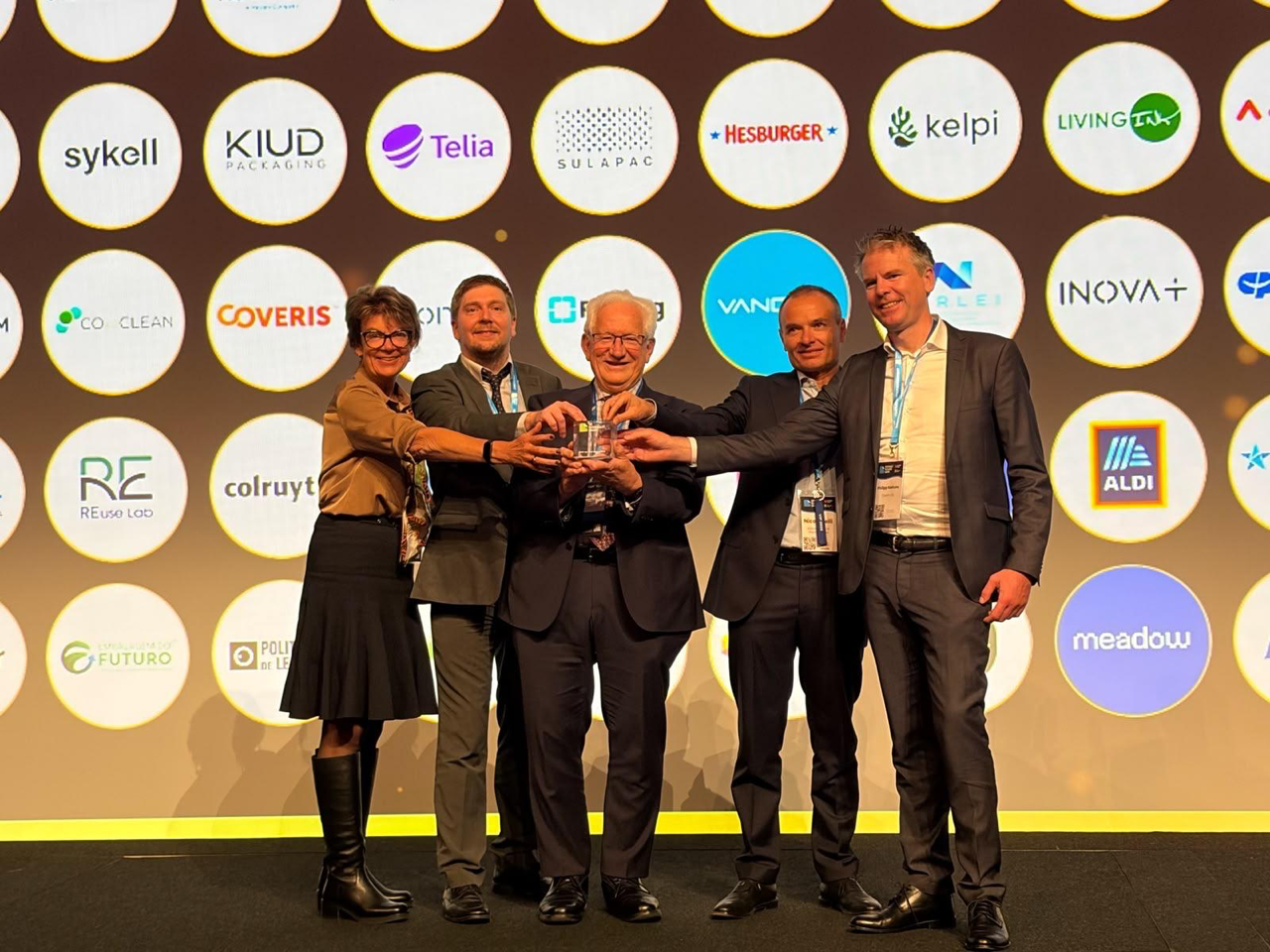
COtooCLEAN wins Start-Up – New Systems
On 11 November, Coveris and COtooCLEAN Ltd won the Start-Up – New Systems award at Packaging Europe’s Sustainability Awards 2026. Developed by Nextek in partnership with Coveris, COtooCLEAN uses supercritical CO₂ to decontaminate post-consumer flexible polyolefin films, with the aim of returning them to food-grade applications.
The award follows recognition at the UK Packaging Awards and a commendation from the Horners.
Read the Packaging Europe coverageNEXTLOOPP / Sustainable Packaging Summit
Celebrating six years of NEXTLOOPP
It’s great to be back at the Sustainable Packaging Summit as we celebrate six years of NEXTLOOPP. We’re now inviting expressions of interest from organisations looking to produce PPristine, our food-grade recycled polypropylene (FGrPP) resin.
Watch on YouTube ↗
 NEXTLOOPP / Sixth Anniversary / Packaging Europe
Six years of progress.
A circular future for polypropylene.
NEXTLOOPP celebrates its sixth anniversary, marking milestones in the development of food-grade recycled polypropylene. Packaging Europe explores the journey and the work behind it.
- US FDA recognition A Letter of No Objection covering all food types and conditions of use A–H, within its specified scope.
- European regulatory progress Novel technology registration with DG SANTE, supporting the pathway towards EFSA assessment.
- AI-powered sorting Separating food from non-food PP packaging, with extensions based on melt index indicators, moving beyond fluorescent markers and QR codes.
- Commercial production trials More than 55 trials with 18 brands and converters, alongside engagement with over 50 UK and European organisations.
- Recycled content in BOPP film Film produced with 20% recycled PP under standard processing conditions.
- Understanding contaminants Characterisation of potential contaminants in post-consumer PP packaging.
- Lower carbon impact Life-cycle assessment indicating up to 80% savings in greenhouse gas emissions compared with virgin PP.
- Growing across the Americas NEXTLOOPP Americas is developing projects with businesses in the US, Mexico and South America.
In the coming weeks, we will explore these milestones in more detail. Together with its dedicated members, NEXTLOOPP has built a solid foundation for applying the technology.
We welcome discussions with organisations interested in establishing plants to meet demand for post-consumer food-grade recycled PP.
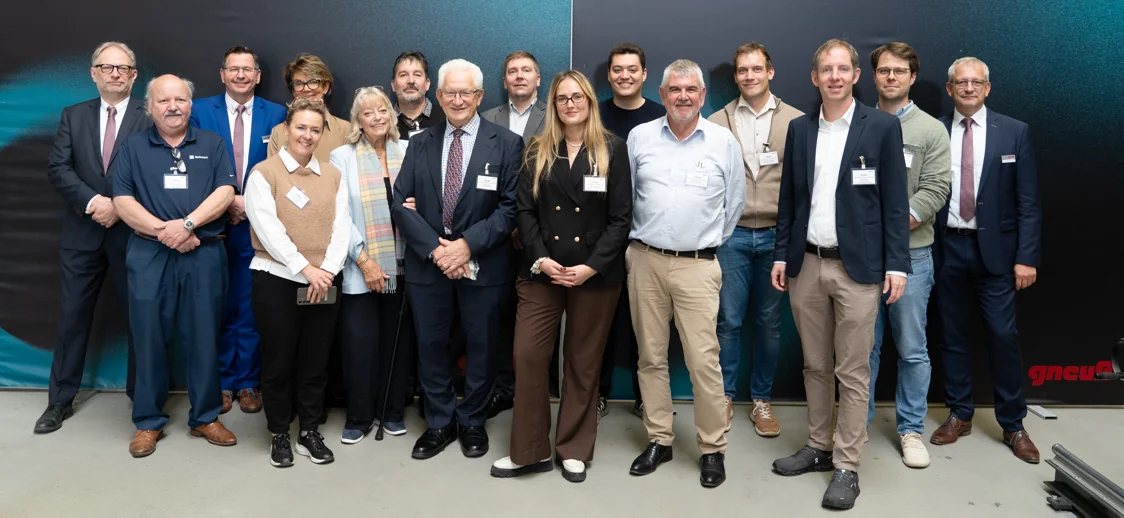
NEXTLOOPP brings the team together at Gneuss
The NEXTLOOPP team held an event at Gneuss, bringing participants together for a day of technology insights, technical discussions and collaboration.
Everyone had the opportunity to experience Gneuss’s advanced technology first hand and discuss their requirements in detail with the technical team. The welcoming and friendly organising team at Gneuss ensured participants were well looked after throughout the day.
Thank you to Gneuss for hosting and to everyone who took part. Gneuss and NEXTLOOPP are happy to assist with further questions and follow-up discussions.
Follow up with our teamClosing the loop for food-grade recycled polypropylene
A case study explores how NEXTLOOPP connects packaging design, advanced sorting, decontamination and material testing to develop routes back into food-contact polypropylene packaging.
Separating food-contact packaging from non-food-contact polypropylene is a critical challenge. The study highlights marker-based sorting and AI-supported recognition, alongside the cleaning and validation needed to assess recovered materials for their intended application.
It demonstrates why successful circular packaging depends on the whole recycling chain working together, helping post-consumer polypropylene move towards higher-value uses.
Read the case study (PDF)
Nextek Innovation / Flexible Film Recycling

Advancing food-grade recycling
for flexible plastics.
Demand for food-grade recycled packaging is growing. Effective decontamination remains a key challenge in recovering post-consumer polyethylene (PE) and polypropylene (PP) films.
Developed by Nextek, COtooCLEAN uses supercritical CO₂ extraction to remove embedded contaminants from polyolefin films. Scaled in partnership with Coveris, the technology is now being demonstrated at the ReCover site in Louth, Lincolnshire.
The demonstration plant is generating operational experience and data to support European regulatory approval, helping build a pathway towards higher-quality recycled content and greater circularity for flexible packaging.
Supercritical CO₂
A purification approach designed to extract embedded contaminants from plastic films.
Nextek & Coveris
Technology development and industrial demonstration brought together in Louth.
Higher-quality recovery
Supporting the development of recycled materials for demanding packaging applications.

Insights / Commentary / Media coverage
Ideas shaping a circular future.
Explore industry perspectives, technical insights and media coverage on plastics recycling, materials innovation and the circular economy.
NJ’s PCR delay risks making its own excuse permanently true
New Jersey has delayed its recycled-content requirement for rigid food containers until 2030, citing limited availability of food-safe post-consumer recycled plastic at scale. Edward Kosior argues that removing the deadline risks reinforcing that shortage: investment stalls, recycling capacity is lost and brands may switch materials. His proposed alternative is a low starting threshold for food-grade recycled content, creating near-term demand that recyclers can invest against.
Read the articleProving a commercially credible pathway to food-grade recycled content
Biaxially oriented polypropylene (BOPP) is a demanding flexible film to recycle back into food packaging. Edward Kosior explores trials by NEXTLOOPP, Süper Film and Brückner Maschinenbau demonstrating recycled polypropylene at 20% content on a pilot BOPP line, without film breaks. The findings provide practical evidence for converters and brand owners exploring routes towards the EU’s Packaging and Packaging Waste Regulation recycled-content targets.
Read the articleMake packaging inaction a political risk
Australia’s packaging industry, recyclers and environmental groups agree on the need for a mandatory, nationally consistent extended producer responsibility scheme, yet reform has stalled. Edward Kosior argues that the policy and economic cases must now be matched by political consequences for inaction. Citing polling showing 87% support for government action, he calls for advocates to demonstrate the electoral cost of continued delay.
Read the articleFrom Impossible to Circular: Unlocking Recycling Pathways for Pharmaceutical Packaging
As sustainability regulations tighten and healthcare companies accelerate their circular economy commitments, the challenge of creating viable recycling pathways for pharmaceutical packaging has moved firmly into the spotlight. This article explores how innovations in pharmaceutical packaging recycling, advanced plastic decontamination technologies, circular packaging design, and closed-loop recycling systems are helping transform traditionally hard-to-recycle healthcare packaging into valuable resources.
Read Full Publication →Nextek, Coveris Launch Food-Grade Recycling Demo Plant for Polyolefin Film
As demand grows for food-grade recycled plastic packaging and circular solutions for flexible films, innovative technologies are helping overcome one of the sector’s biggest challenges: effective decontamination of post-consumer polyolefin waste. One such technology is COtooCLEAN developed by Nextek, which has recently launched a demonstration plant in conjunction with Coveris in Louth to enable food-grade recycling of flexible PE and PP films using super critical CO₂.
Read Full Publication →COtooCLEAN Reinvents Recycling of Flexible Plastic Film
Pressure is mounting to increase food-grade recycled content in flexible packaging and cutting-edge technologies are redefining what is possible for plastic film recycling. This article explores how advanced mechanical recycling, supercritical CO₂ decontamination technology, and waterless recycling processes are enabling post-consumer polyethylene (PE) and polypropylene (PP) films to be transformed into high-quality food-contact compliant recycled materials.
Read Full Publication →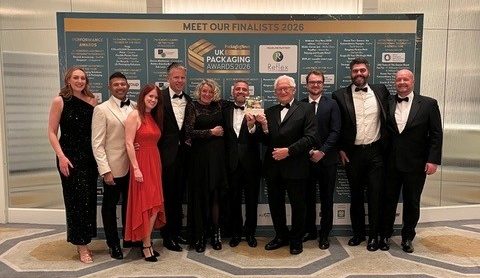
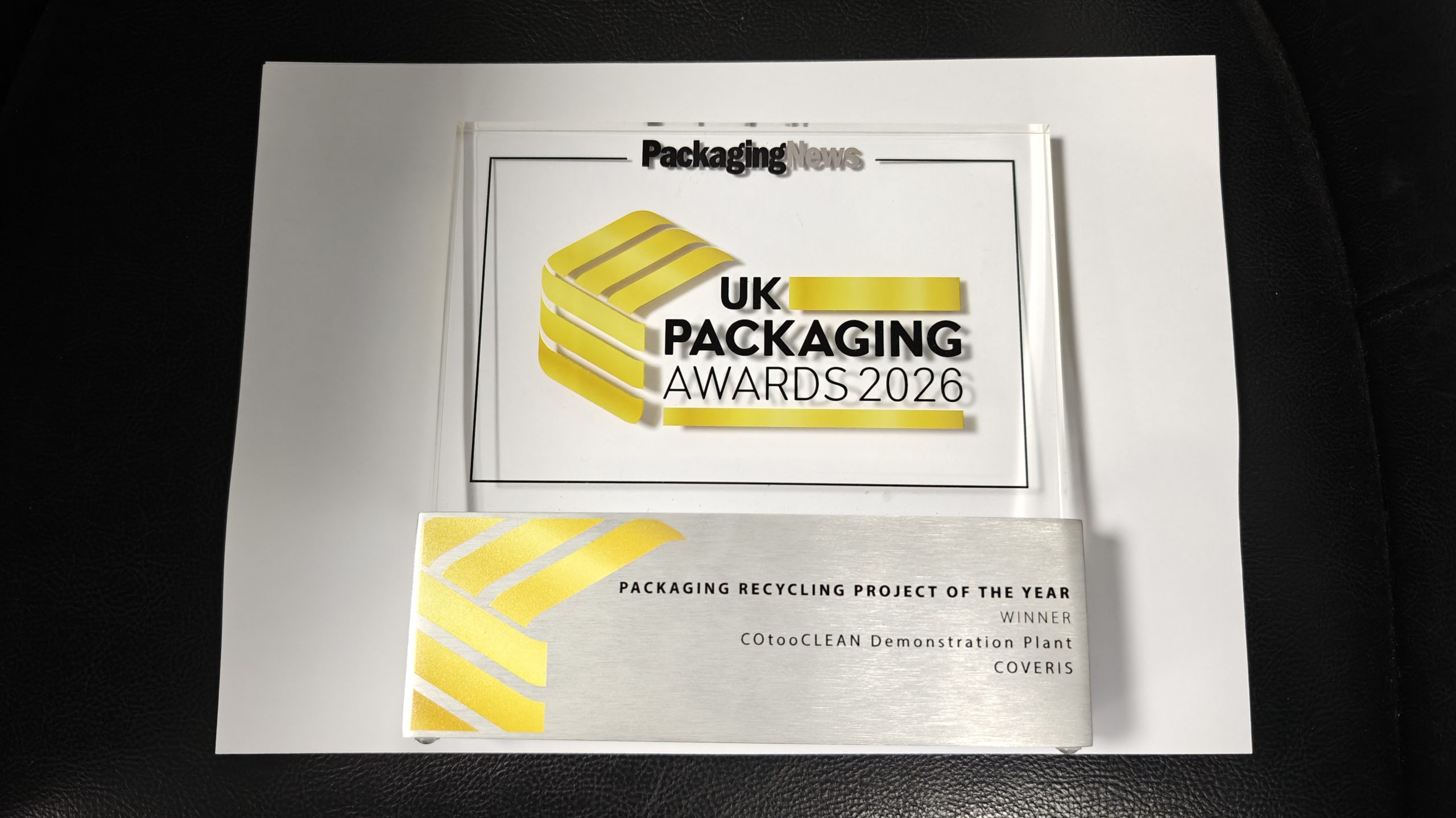
COtooCLEAN named Packaging Recycling Project of the Year
COtooCLEAN has won Packaging Recycling Project of the Year at the UK Packaging Awards 2026. PlasticsToday highlights its progression, in partnership with Coveris, from the laboratory to a fully operational demonstration plant at Coveris’ Louth site.
The plant marks a significant step towards food-grade recycling of post-consumer flexible packaging, generating data to support regulatory approval.
Packaging News also reported on the awards gala at London’s Hilton Park Lane, where the industry gathered to celebrate achievements across packaging, companies and projects. It was a proud evening for Nextek, Coveris and everyone involved in developing COtooCLEAN.
Food-grade recycled polyolefins have arrived, but is industry ready?
For decades, food-grade recycled polypropylene (rPP) lagged behind rPET, held back by the sheer diversity of polyolefin packaging. That's changing. New analysis from the European Commission's Joint Research Centre (JRC) confirms advanced mechanical recycling delivers the best cost, resource, and carbon savings wherever high-quality feedstock is available — reshaping how the industry weighs mechanical versus chemical recycling. Paired with breakthroughs in AI sorting and decontamination, food-grade rPP is now moving from lab to commercial scale. Professor Edward Kosior explains why the real question isn't can the industry produce it — it's how fast it can scale to meet demand from the PPWR and sustainability targets.
Read Full Publication →Maximizing the value of post-consumer PP
Demand for recycled polypropylene (rPP) is outstripping supply, and food-grade material is being pulled in every direction — from food packaging to cosmetics, automotive, and reusable containers. But should every sector really compete for the same scarce food-grade feedstock? In this guest column Professor Edward Kosior argues for a smarter approach: matching recycled PP grades to the applications that actually need them, protecting food-grade rPP for food packaging while developing purpose-built alternatives — like NEXTLOOPP's INRT — for contact-sensitive, non-food uses.
Read Full Publication →Plastic bags, wraps and pouches face short shelf life
In this Reuters feature, Professor Edward Kosior discusses how innovations such as COtooCLEAN are helping overcome one of the plastics industry's greatest circularity challenges. The article explores how advanced decontamination technologies, improved recycling systems and cross-value chain collaboration are enabling post-consumer plastic bags, wraps and pouches to be transformed into high-quality recycled materials, supporting the transition towards a truly circular plastics economy.
Read Full Publication →OSIP Highlights: Closing the Loop on Space Waste Exploration
Whilst space exploration is shifting towards longer-duration missions and more sustainable approaches to resource management, the challenge of reducing waste and creating circular systems beyond Earth is gaining increasing attention. This ESA feature highlights how innovative technologies such as those developed by Nextek are exploring new possibilities for recycling and reusing materials in space environments. The article explores how advanced cleaning and decontamination technologies, resource recovery systems and circular design principles could help transform waste streams into valuable resources, supporting future exploration missions while demonstrating the potential for circular economy solutions both in space and on Earth.
Read Full Publication →From Impossible to Circular: Unlocking Recycling Pathways for Pharmaceutical Packaging
As sustainability regulations tighten and healthcare companies accelerate their circular economy commitments, the challenge of creating viable recycling pathways for pharmaceutical packaging has moved firmly into the spotlight. This article explores how innovations in pharmaceutical packaging recycling, advanced plastic decontamination technologies, circular packaging design, and closed-loop recycling systems are helping transform traditionally hard-to-recycle healthcare packaging into valuable resources. Discover how collaboration across the pharmaceutical packaging value chain is unlocking new opportunities for sustainable pharmaceutical packaging, regulatory compliance, and the transition to a circular plastics economy.
Read Full Publication →What if waste didn't exist? Systems Engineering in Deep Space
As space agencies plan permanent bases on the Moon and Mars, engineers are confronting a surprisingly familiar problem: waste. With no easy way to dispose of anything off-world, missions are forcing a shift from a linear "take, make, dispose" model to fully circular systems — where every material stays in use. Professor Edward Kosior explores an ESA-funded project led by Nextek that's testing supercritical CO₂ cleaning to decontaminate materials without water, and asks what this space-driven circular economy research could mean for recycling and manufacturing back on Earth.
Read Full Publication →Nextek, Coveris Launch Food-Grade Recycling Demo Plant for Polyolefin Film
As demand grows for food-grade recycled plastic packaging and circular solutions for flexible films, innovative technologies are helping overcome one of the sector’s biggest challenges: effective decontamination of post-consumer polyolefin waste. One such technology is COtooCLEAN developed by Nextek, which has recently launched a demonstration plant in conjunction with Coveris in Louth to enable food-grade recycling of flexible PE and PP films using super critical CO₂. This article highlights how such breakthroughs in flexible plastic film recycling, sustainable packaging innovation, and food-grade recycled content are accelerating progress towards a circular economy for flexible plastics and helping brands meet ambitious sustainability and regulatory targets.
Read Full Publication →COtooCLEAN Reinvents Recycling of Plastic Film
Pressure is mounting to increase food-grade recycled content in flexible packaging and cutting-edge technologies are redefining what is possible for plastic film recycling. This article explores how advanced mechanical recycling, supercritical CO₂ decontamination technology, and waterless recycling processes are enabling post-consumer polyethylene (PE) and polypropylene (PP) films to be transformed into high-quality food-contact compliant recycled materials. Innovations in flexible plastic packaging recycling, circular economy solutions for polyolefins, and sustainable food packaging are helping overcome longstanding recycling barriers while significantly reducing carbon emissions and resource consumption.
Read Full Publication →Where flexible plastic recycling technologies are going – and what they still need
Flexible plastic recycling technologies in Europe are rapidly evolving as the packaging industry moves toward scalable, food-contact-compliant circular solutions. In this context, recent insights from Packaging Europe highlight how advanced mechanical recycling and decontamination processes for polyolefins –– particularly polypropylene (PP) and polyethylene (PE) –– are progressing through regulatory validation, including EFSA-recognised Novel Technology Numbers (NTNs). With innovations such as Nextek’s COtooCLEAN and NEXTLOOPP helping to unlock high-quality recycled PP for food-grade applications, this article explores the key challenges and infrastructure needs required to scale flexible plastic waste recycling technologies, improve post-consumer plastic film recovery, and deliver high-performance recycled polymers for sustainable packaging systems in both European and global markets.
Read Full Publication →Food-Grade Polyolefin Recycling Pressures Accelerate Under PPWR Mandates
Food-grade polyolefin recycling for polypropylene (PP) and polyethylene (PE) is becoming a central focus in the transition toward a circular plastics economy, particularly under the EU Packaging and Packaging Waste Regulation (PPWR). In this Plastics News article, the discussion highlights the growing pressure on packaging converters and brand owners to secure reliable supplies of high-quality recycled PP and PE that meet stringent food-contact requirements. As regulatory frameworks tighten and demand for food-grade post-consumer resin accelerates, the role of advanced mechanical recycling technologies is critical to closing the gap between recycled content targets and commercially available, compliant polyolefin feedstocks for food packaging applications.
Read Full Publication →A New Testing Blueprint to Unlock Food-Grade Polyolefin Recycling
A new testing blueprint for food-grade polyolefin recycling is emerging as a critical breakthrough in enabling scalable circular economy solutions for polypropylene (PP) and polyethylene (PE) packaging. This Innovators Magazine article explores how science-led challenge testing protocols for post-consumer plastics are helping to unlock regulatory acceptance of recycled polyolefins for food-contact applications in both Europe and the US. By improving decontamination validation methods and strengthening evidence for EFSA and FDA approvals, the new framework supports the development of food-grade recycled PP and PE from mixed household waste streams, accelerating progress toward EU PPWR recycled content targets and advancing high-performance, safe, and commercially viable sustainable packaging systems.
Read Full Publication →Food-grade PP makes inroads in Americas
Food-grade recycled polypropylene (rPP) is gaining significant momentum in the Americas as demand grows for high-quality, food-grade compliant recycled plastics under evolving sustainability regulations and brand owner commitments. This Resource Recycling article highlights how food-grade PP recycling in the US market is progressing through initiatives such as NEXTLOOPP, supported by advances in decontamination technology, AI-driven sorting, and FDA Letters of No Objection (LNOs) that enable direct food-contact applications. While adoption in the Americas is currently slower than in Europe, increasing participation from major brand owners and recyclers is accelerating the development of scalable closed-loop systems for post-consumer polypropylene, positioning food-grade PP as a key material in the transition toward circular packaging and compliance with future recycled content targets.
Read Full Publication →NEXTLOOPP Receives US FDA Approval for 100% Food-Grade Recycled Polypropylene
NEXTLOOPP’s U.S. FDA Letter of No Objection (LNO) for 100% food-grade recycled polypropylene (rPP) marks a major milestone in advancing scalable circular solutions for post-consumer PP packaging in food-contact applications. As highlighted by Packaging World, the FDA approval confirms that the Nextek-led NEXTLOOPP recycling process can produce high-purity recycled polypropylene suitable for use across all food types and conditions of use, strengthening the commercial viability of food-grade polyolefin recycling in both the U.S. and global markets. This regulatory validation supports the growing demand from brand owners and converters for EFSA- and FDA-compliant recycled PP, accelerating the transition toward closed-loop polypropylene recycling systems and enabling higher recycled content in sustainable food packaging.
Read Full Publication →NEXTLOOPP Americas Welcomes Alcamare as First North American Recycler
The regional expansion of NEXTLOOPP Americas has achieved a key infrastructure milestone with Mexico's Alcamare International Recycling Group joining the project as its first North American recycling partner. This strategic cross-market collaboration strengthens knowledge transfer and scales up collection and decontamination pipelines across the continent. By connecting resin producers, global consumer brands, and local sorting operators, the project uses advanced sorting and extrusion technologies to process post-consumer polypropylene into premium packaging resins, accelerating the deployment of viable regional circular closed-loop systems.
Read Full Publication →Closing the Loop on Food-Contact Polypropylene: Design, Decontamination, and the Path to Circularity
This peer-reviewed paper in the Journal of Materials and Polymer Science evaluates the technical barriers and emerging bioanalytical workflows required for true food-grade polypropylene recycling. The study reviews chemical risks from auxiliary packaging components, like inks and binders, and outlines the performance of advanced decontamination systems, such as the PPristine process and COtooCLEAN. It argues for moving away from traditional design paradigms toward a chemical safety framework, establishing validated open testing protocols that provide regulators and materials scientists with the necessary proof to scale circular packaging flows safely.
Read Full Publication →Is plastics recycling in Europe at a crisis point?
Europe's plastics recycling sector faces critical turmoil driven by cheap virgin resin imports, falling demand, and weak policy enforcement. In this commentary, Professor Edward Kosior outlines the consequences of outsourcing recycling capacity, including escalating emissions and a costly regression to linear packaging models. Meeting ambitious PPWR targets will require massive infrastructure investment—specifically 4.2 million tonnes of sorting capacity and doubled mechanical recycling lines. Highlighting polypropylene (PP) as a major under-recycled packaging asset, the article advocates for fast-tracking food-grade approvals and implementing robust local sorting and processing protections to secure European circular independence.
Read Full Publication →Food-grade PP recovery primed for growth
The technology required to sort and recycle polypropylene back into high-purity food-grade packaging exists today, and is poised to scale through value chain alignment. Industry experts at the Plastics Recycling Conference explore how municipal collection infrastructure and MRF upgrades—supported by AI-driven optical sorting—are transforming PP recovery from a technical ambition into a highly productive commercial reality. The discussion emphasizes that upstream design modifications, selective pigment choices, and next-generation debonding in-mold labels are vital to supporting mechanical recyclers, reducing processing complexity, and delivering compliant recycled resin at a lower cost.
Read Full Publication →Closing the loop on reusable stadium cups
The transition to reusable polypropylene stadium cups reduces single-use plastic waste at major events, but the ultimate sustainability benefits are often undermined when cups are lost or downcycled into low-value products. To achieve true circularity, the hospitality and event industries must close the loop by recycling end-of-life reusables back into new food-contact containers. This article reviews collaborative validation trials with NEXTLOOPP, where advanced decontamination technologies successfully processed post-consumer cups into high-quality recycled polypropylene (FGrPP) resins with zero processing or odour anomalies, offering a functional template for sustainable event management.
Read Full Publication →Breakthroughs for clean recycled food-grade PP resins
Overcoming toxicological barriers to turn post-consumer polypropylene back into food-contact packaging marks a major technical milestone. Packaging Digest highlights how innovative decontamination systems, such as Nextek's PPristine™ processing engine, successfully isolate volatile and semi-volatile impurities from mixed household streams. By combining bioassay Hazard validation with high-resolution chromatography, these scientific developments provide consumer brands with an actionable route to drop-in recycled food-grade polypropylene, bypassing tool modification costs while matching strict safety standards.
Read Full Publication →Recycling's next frontier: Artificial Intelligence
Advanced machine learning is rapidly transforming material recovery infrastructure by establishing unprecedented sorting precision across polymer waste lot matrices. This article examines how the integration of sophisticated computer vision and deep AI training loops removes the need for physical pack markers or chemical tag tracers. By identifying structural packaging traits—such as ribs, dimples, and specific clear formats—intelligent sorting cells can separate post-consumer food trays and tubs from non-food packaging at high speed, maximizing feedstock purity for advanced mechanical recycling lines.
Read Full Publication →NEXTLOOPP Americas Appoints Marcio Amazonas as Vice President to Lead Recycling Initiative
NEXTLOOPP Americas has announced the appointment of Marcio Amazonas as Vice President to lead the organization's collaborative regional expansion across North and South America. Bringing over 30 years of global ESG and sustainability leadership, Amazonas will spearhead technological deployments to fast-track the production of high-quality food-grade recycled Polypropylene (FGrPP) sourced from local packaging. The project unites multi-participant value chain stakeholders—including fast-moving consumer brands, material suppliers, and sorting operators—to close the loop on post-consumer polyolefins using advanced PPristine™ decontamination frameworks.
Read Full Publication →First-Person Perspective: Challenging the status quo on food-grade polypropylene
While regulators increasingly issue Letters of No Objection (LNO) for recycled polypropylene (rPP), commercial adoption requires technical confidence in material safety. Professor Edward Kosior outlines NextLooPP's science-driven trials mapping residual contamination in post-consumer PP pots, tubs, and trays. Because PP packaging formats rarely contain hazardous materials compared to durable bottles, comprehensive audits reveal baseline contamination is 10 times lower than in HDPE and 100 times lower than in PET. This data, combined with advanced deep-learning automated sorting and patented PPristine™ decontamination, provides converters with a drop-in replacement resin that matches virgin properties without tooling modifications.
Read Full Publication →Trials success in recycled food-grade plastics
Advanced commercialization packaging trials are successfully closing the loop on rigid plastic circularity across the European and UK packaging sectors. Materials Recycling World highlights how collaborative industry test runs are turning post-consumer polymer streams back into high-performance, food-contact compliant containers. By deploying sophisticated mechanical sortation alongside thermal decontamination technology, these validation trials prove that recycled polyolefins can consistently meet rigorous toxicological guidelines, giving brand owners a transparent, measurable pathway to hit upcoming packaging content mandates confidently.
Read Full Publication →Bostik joins NEXTLOOPP in its mission to create food-grade recycled polypropylene
Global adhesive and coatings leader Bostik has joined the NEXTLOOPP project as its 50th participant, bringing critical value-chain expertise to tackle the technical challenges of polyolefin packaging recyclability. Because glue residues cannot simply be filtered out during traditional extrusion, specialized wash-off adhesives are fundamental to clean material recovery. This multi-participant collaboration explores how high-tech laminating and lidding adhesives can be engineered to cleanly debond during processing, ensuring that adhesive compounds do not leach into substrates and enabling 100% recyclable, circular packaging solutions.
Read Full Publication →Communications Office
Press & Media Enquiries
For interviews, expert commentary or conference enquiries about plastics recycling and circular innovation, contact our team.
Media Relations Email
media@nexteklimited.comCorporate Head Office
London, United Kingdom
For journalists and media partners
Press & media resources
Request company information, team headshots and executive biographies from our media team to support your next article, interview or event.
Company & brand materials
Contact our team for company information, brand logos and photography suitable for your publication.
Request press materials →Team headshots
Request official portraits for editorial coverage, speaker profiles and event materials.
Request headshots →Executive biographies
Request biographies outlining the experience and expertise of Nextek’s leadership team.
Request biographies →For interviews or additional media materials, email media@nexteklimited.com. Please include your publication, deadline and requirements.
Nextek Assistant
Services, projects & enquiries